Top 10 Places to Visit in Japan for First-Time Travelers
Choosing the top places to visit in Japan is less about finding a list than drawing a line on a map. The country is long, trains are fast but not free, and a first trip goes wrong when three of your ten days go on moving luggage between stations. Below are ten destinations worth your time, what each is good for, how many nights it needs, and how to link them into a sensible route. Prices and rules are current as of August 2026.
Quick Answer (TL;DR)
Planning your first trip? These are the ten best places to visit in Japan, depending on your interests, schedule, and travel style.
- Tokyo - the modern capital, food, neighborhoods, and day trips.
- Kyoto - temples, gardens, and traditional streets.
- Osaka - street food, nightlife, and Universal Studios Japan.
- Mount Fuji and the Fuji Five Lakes - iconic mountain views and summer climbing.
- Nara - the Great Buddha and free-roaming deer, half a day from Kyoto.
- Hakone - hot springs and lake views between Tokyo and Kyoto.
- Hiroshima and Miyajima - Peace Memorial Park and the floating torii gate.
- Kanazawa - a famous garden, historic geisha districts, and fresh seafood.
- Takayama - Edo-era streets and a gateway to Shirakawa-go.
- Nikko - elaborate shrines, waterfalls, and autumn colors near Tokyo.
All ten destinations are reachable by train and can be explored independently with a maps app and a reliable mobile connection. You do not need a tour group or a rental car for this itinerary.
How to Choose the Best Places to Visit in Japan
The best places to visit in Japan depend on five factors: trip length, season, budget, interests, and geography.
Trip Length
If you have fewer than seven days, concentrate on one region. Ten days is enough for a comfortable Tokyo, Kyoto, and Osaka itinerary. Fourteen days gives you time to add Hiroshima or the mountain towns, although including both requires a faster pace.
Season
Cherry blossom season, usually from late March to early April, and autumn foliage, especially in November, are among the busiest and most expensive periods. May, early June, and October can offer a quieter experience, depending on the destination and local holidays.
Budget
Travel costs and rules have changed in 2026. The departure tax tripled to ¥3,000 on 1 July, and Kyoto's lodging tax now ranges from ¥200 to ¥10,000 per person per night, depending on the accommodation rate. From 1 November, tax-free shopping is scheduled to change to a refund system: shoppers pay the 10% consumption tax in the store and claim it back at the airport.
Interests
- Food and nightlife: Tokyo and Osaka.
- History, temples, and gardens: Kyoto, Kanazawa, and Nara.
- Nature and scenery: Hakone, Mount Fuji, and Takayama.
- Traditional architecture and crafts: Kyoto, Kanazawa, and Takayama.
- Family attractions: Tokyo, Osaka, and Nara.
Geography
Tokyo, Hakone, Nikko, and Mount Fuji are in eastern or central Japan. Kyoto, Osaka, and Nara form a convenient Kansai cluster. Hiroshima lies farther west, while Kanazawa and Takayama are mountain-region destinations. Plan around geographic clusters rather than trying to visit every destination on the map.
Top 10 Places to Visit in Japan
1. Tokyo
Why Visit Tokyo?
Tokyo is not one city so much as dozens of distinct neighborhoods that have grown into one enormous metropolis. Shibuya is the neon-lit Tokyo many visitors imagine, Yanaka is low-rise and quiet, and Asakusa retains the atmosphere of an old temple district. Tokyo deserves several nights because each neighborhood offers a different experience.
It is also an excellent base for day trips. Nikko, Hakone, Kamakura, and the Mount Fuji area can all be reached within roughly two hours, depending on your route and destination.
Top Attractions
- Senso-ji Temple and Nakamise Street in Asakusa.
- Shibuya Crossing and Shibuya Sky.
- Meiji Jingu Shrine and its surrounding forest.
- teamLab Borderless in Azabudai Hills; book ahead.
- Tsukiji Outer Market for breakfast and seafood.
Best Time to Visit: Late March to April and October to November.
Recommended Stay: 3–4 days.
Best For: First-time visitors, food lovers, and families.
Don't Miss: Visit Senso-ji before 8 am, when the approach is quieter, and explore the free observation floors of the Tokyo Metropolitan Government Building. PokéPark Kanto, Japan's first permanent Pokémon park, opened in February 2026.
2. Kyoto
Why Visit Kyoto?
Kyoto has around 1,600 temples and 400 shrines, and its most famous landmarks live up to their reputations. Timing makes a significant difference. Fushimi Inari Taisha at 7 am can be a peaceful walk through vermilion gates; by 1 pm, the same paths can be crowded.
Kyoto is also one of the most crowded destinations on this list. Some private lanes in Gion are closed to visitors, and entering restricted areas can result in fines. Stay somewhere central, explore on foot, and start sightseeing early.
Top Attractions
- Fushimi Inari Taisha, open 24 hours with free admission.
- Kinkaku-ji, the Golden Pavilion.
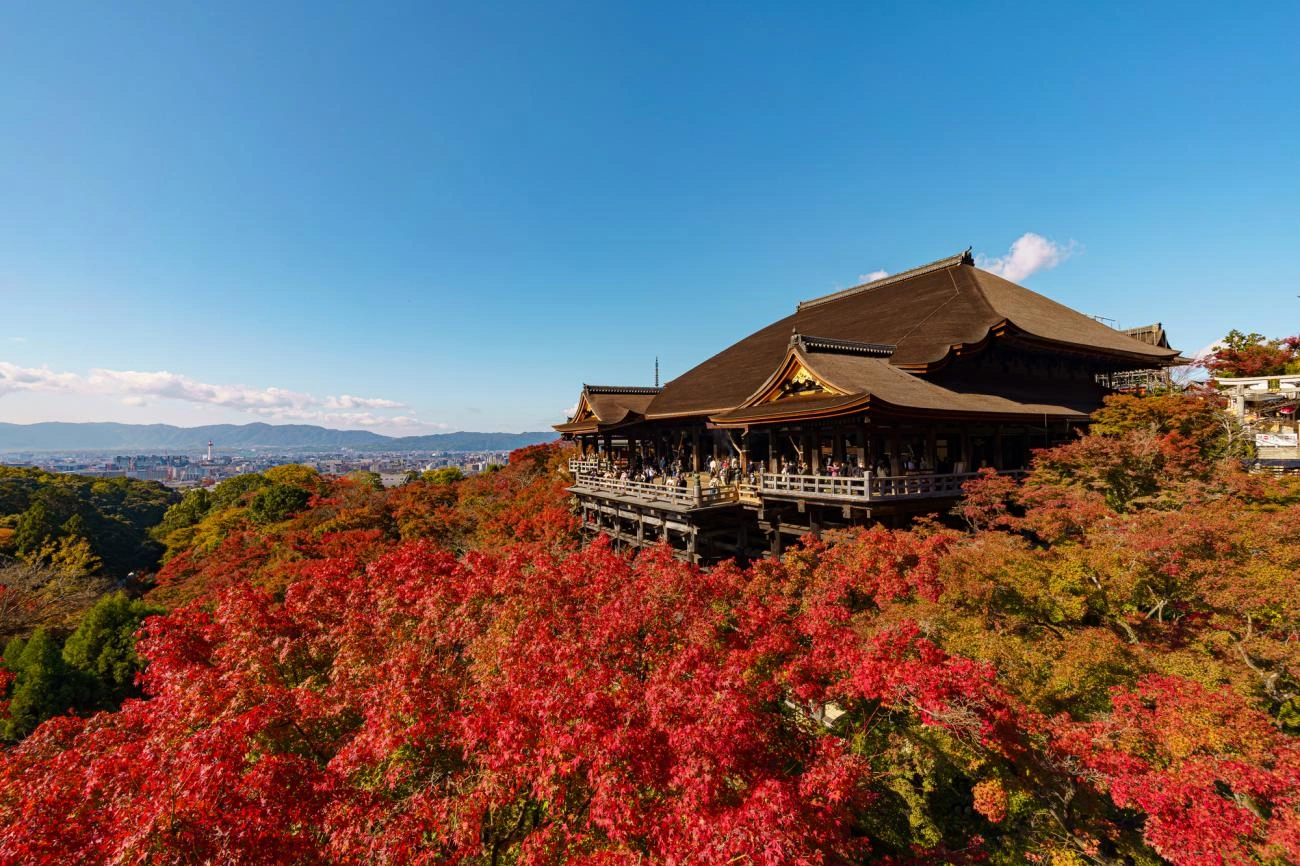
- Kiyomizu-dera Temple and the Sannenzaka slopes.
- Arashiyama Bamboo Grove and Tenryu-ji Temple.
- Nishiki Market for lunch and local specialties.
Best Time to Visit: November for autumn colors, April for cherry blossoms, and June or September for a potentially quieter visit.
Recommended Stay: 3–4 days.
Best For: Couples, garden lovers, and photographers.
Don't Miss: Experience a temple garden before the crowds arrive. Try Ryoan-ji at opening time or Shoren-in in the late afternoon.
3. Osaka
Why Visit Osaka?
Osaka is one of Japan's best destinations for casual food. Takoyaki, kushikatsu, and okonomiyaki are inexpensive, social, and easy to find. Dotonbori at night is one of the country's most memorable urban walks.
Osaka is also a practical base for exploring Kansai. Kyoto is about 15 minutes away on some rapid train services, while Nara is roughly 45 minutes away, depending on the route.
Top Attractions
- Dotonbori and the famous Glico sign.
- Kuromon Ichiba Market.
- Osaka Castle and its surrounding park.
- Universal Studios Japan, which marks its 25th anniversary in 2026.
- Shinsekai and Tsutenkaku Tower.
Best Time to Visit: Year-round, with April and October offering pleasant conditions.
Recommended Stay: 2 days, or longer if visiting Universal Studios Japan.
Best For: Food lovers, families, nightlife enthusiasts, and budget travelers.
Don't Miss: Try the standing bars in the alleys off Dotonbori. If Universal Studios Japan is on your itinerary, book Express Passes early. Popular rides can have queues of 90 minutes or longer.
4. Mount Fuji and the Fuji Five Lakes
Why Visit Mount Fuji?
Mount Fuji is often best appreciated from a distance rather than from the summit. Kawaguchiko offers postcard-worthy views across the lake, and the mountain is often easier to see on clear winter days than through the summer haze. Staying overnight improves your chances of seeing it because mornings tend to offer clearer conditions.
Climbing rules are strict in 2026. The official climbing season runs from 1 July to 10 September, all four trails charge a ¥4,000 fee, and climbers must register online in advance. The Yoshida Trail limits entries to 4,000 people per day. Gates close from 2 pm to 3 am for climbers without a mountain hut booking.
Top Attractions
- Lake Kawaguchiko and Oishi Park.
- Chureito Pagoda in Arakurayama Sengen Park.
- Fuji-Q Highland amusement park.
- Oshino Hakkai, a village known for its spring water.
Best Time to Visit: November to February for mountain views; July to early September for climbing.
Recommended Stay: 1–2 days, ideally including one night.
Best For: Nature lovers, photographers, and couples.
Don't Miss: Watch the sunrise from the lakeshore before the buses arrive, and consider a lake-view onsen. Check the visibility forecast the night before. Mount Fuji is frequently hidden by clouds, even when the surrounding weather looks good.
5. Nara
Why Visit Nara?
Japan's capital before Kyoto, Nara packs several major attractions into one walkable park. You can see the Great Buddha inside a vast wooden hall, visit a shrine illuminated by thousands of lanterns, and encounter around 1,200 wild deer that bow when they want a cracker.
The deer are wild animals, not pets. Buy the ¥200 crackers sold in the park, keep other food out of sight, and avoid teasing or provoking the animals.
Top Attractions
- Todai-ji Temple and the Great Buddha Hall.
- Nara Park and its free-roaming deer.
- Kasuga Taisha Shrine and its lantern-lined paths.
- Naramachi's historic merchant streets.
Best Time to Visit: Year-round, with autumn especially attractive.
Recommended Stay: Half a day to 1 day.
Best For: Families and day-trippers from Kyoto or Osaka.
Don't Miss: Nigatsu-do's terrace above Todai-ji. It offers a free view over the city, particularly atmospheric at dusk.
6. Hakone
Why Visit Hakone?
Hakone is a popular escape from Tokyo for travelers who want hot springs, mountain scenery, and a slower pace. Its transport loop can be one of the most enjoyable sightseeing experiences in Japan. The Hakone Free Pass covers a combination of mountain railway, cable car, ropeway over a volcanic valley, and a sightseeing cruise across Lake Ashi.
If your budget allows, spend a night in a ryokan with a private open-air bath. A traditional dinner, a relaxing soak, and mountain scenery make this an especially memorable stop on a first trip to Japan.
Top Attractions
- The Hakone sightseeing loop, including the railway, ropeway, and lake cruise.
- Owakudani volcanic valley and its famous black eggs.
- Hakone Shrine and its torii gate beside the lake.
- Hakone Open-Air Museum.
Best Time to Visit: Year-round; autumn and winter can offer clearer views of Mount Fuji.
Recommended Stay: 1–2 days.
Best For: Couples, first-time onsen visitors, and travelers looking for a slower day.
Don't Miss: Visit the lakeside torii early, before the photography queue forms. Check the ropeway operating status before traveling because volcanic activity can cause suspensions, with replacement buses sometimes provided.
7. Hiroshima and Miyajima
Why Visit Hiroshima and Miyajima?
Hiroshima is one of the most affecting stops on a trip to Japan. The Peace Memorial Museum presents a direct and difficult account of the atomic bombing, while the surrounding park is calm and reflective. The city itself is friendly and easy to explore on foot.
Combine Hiroshima with Miyajima, approximately 45 minutes away depending on connections. The island's Itsukushima Shrine is famous for its torii gate, which appears to float above the water at high tide. A ¥100 visitor tax applies on arrival and is collected with the ferry fare.
Top Attractions
- Hiroshima Peace Memorial Museum and the A-Bomb Dome.
- Itsukushima Shrine and the floating torii gate.
- Mount Misen, accessible by ropeway or on foot.
- Hiroshima-style okonomiyaki, layered with noodles.
Best Time to Visit: Spring and autumn. Check the tide times to see the torii gate at different water levels.
Recommended Stay: 1–2 days.
Best For: History-minded travelers and couples.
Don't Miss: Consider staying overnight on Miyajima. The island becomes quieter after the last ferries depart. At high tide, the gate appears to float; at low tide, you can walk out toward it.
8. Kanazawa
Why Visit Kanazawa?
About two and a half hours from Tokyo by Hokuriku Shinkansen, Kanazawa combines preserved teahouse districts, one of Japan's three great gardens, and a manageable city center. It is a good alternative for travelers who want traditional architecture without the same crowd levels as Kyoto.
Kanazawa is also known for seafood. Counters at Omicho Market serve kaisendon, or seafood rice bowls, and the city is a major center of Japanese gold-leaf production. Gold leaf even appears on local soft-serve ice cream.
Top Attractions
- Kenroku-en Garden.
- Higashi Chaya historic teahouse district.
- 21st Century Museum of Contemporary Art.
- Omicho Market and the Nagamachi samurai district.
Best Time to Visit: April to June and October to November; winter is appealing for snow-covered gardens.
Recommended Stay: 1–2 days.
Best For: Couples, craft enthusiasts, and travelers looking to avoid the biggest crowds.
Don't Miss: Visit Kenroku-en during its free early-morning admission period, when available, and try a gold-leaf workshop.
9. Takayama
Why Visit Takayama?
High in the Hida Mountains, Takayama has preserved much of its Edo-period merchant quarter. Expect dark wooden storefronts, sake breweries with cedar balls hanging outside, and morning markets beside the river. It is one of the best places to visit in Japan if you want a smaller town after spending several days in major cities.
Takayama is also a gateway to Shirakawa-go, a UNESCO-listed village known for its traditional thatched-roof farmhouses. The bus journey takes around 50 minutes. Arrive early if possible because many day-trip coaches arrive around 11 am.
Top Attractions
- Sanmachi Suji historic old town.
- Miyagawa morning market.
- Shirakawa-go as a day trip.
- Hida beef, often grilled on skewers or served in local restaurants.
Best Time to Visit: April and October for the festivals; winter for snow-covered Shirakawa-go.
Recommended Stay: 1–2 days.
Best For: Couples, food lovers, and travelers seeking a slower pace.
Don't Miss: The Takayama Festival takes place on 14–15 April and 9–10 October. The festival's elaborately carved floats are a major attraction, so book accommodation months ahead.
10. Nikko
Why Visit Nikko?
About two hours north of Tokyo, Nikko is home to one of Japan's most elaborately decorated shrine complexes. Toshogu Shrine features intricate carvings and gilded details that contrast with Kyoto's more restrained temple aesthetics, all set among enormous cedar trees.
Beyond the shrine area, Nikko National Park offers waterfalls, a highland lake, and the winding Irohazaka road, which is especially popular during autumn foliage season. That popularity comes with a warning: traffic can become severely congested on November weekends.
Top Attractions
- Toshogu Shrine.
- Shinkyo Bridge.
- Kegon Falls and Lake Chuzenji.
- Rinno-ji Temple.
Best Time to Visit: Late October to early November for autumn colors. Weekdays are preferable during peak foliage season.
Recommended Stay: 1 day, or overnight if you want to explore the lake area at a relaxed pace.
Best For: Day-trippers from Tokyo and travelers interested in nature and history.
Don't Miss: Consider the Tobu limited express from Asakusa, which can be faster and cheaper than some JR alternatives. Taiyuinbyo is also worth visiting for a quieter shrine experience.
Best Places to Visit in Japan for First-Timers: Comparison Table
Use this table to compare travel times, recommended stays, and the main reasons to visit each destination. Journey times are approximate and depend on the specific train, route, and connections.
| Destination | Region | Recommended Stay | Best For | Approx. Travel Time | Best Season |
|---|---|---|---|---|---|
| Tokyo | Kanto | 3–4 days | Food, city life, day trips | Starting point | Mar–Apr, Oct–Nov |
| Kyoto | Kansai | 3–4 days | Temples, gardens | About 2h 15m | Nov, Apr |
| Osaka | Kansai | 2 days | Street food, families | About 2h 30m | Year-round |
| Mount Fuji area | Chubu | 1–2 days | Views, hiking | About 2h | Nov–Feb for views |
| Nara | Kansai | Half–1 day | Deer, Great Buddha | About 45m from Kyoto | Any season |
| Hakone | Kanto | 1–2 days | Onsen, lake scenery | About 1h 30m | Autumn, winter |
| Hiroshima and Miyajima | Chugoku | 1–2 days | History, coastline | About 4h | Spring, autumn |
| Kanazawa | Hokuriku | 1–2 days | Gardens, crafts, seafood | About 2h 30m | Apr–Jun, Oct–Nov |
| Takayama | Chubu | 1–2 days | Old town, mountains | About 4h 30m | Apr, Oct, winter |
| Nikko | Kanto | 1 day | Shrines, waterfalls | About 2h | Late Oct–early Nov |
Suggested Japan Itineraries
7-Day Japan Itinerary
Tokyo (3 nights) → Hakone (1 night) → Kyoto (3 nights)
Spend three nights in Tokyo and take a day trip to Nikko or Kamakura. Continue to Hakone for one night, then travel to Kyoto for three nights, including a half-day visit to Nara. Flying home from Osaka Kansai can help you avoid backtracking to Tokyo.
10-Day Japan Itinerary
Tokyo (4 nights) → Hakone or Mount Fuji (1 night) → Kyoto (3 nights) → Osaka (2 nights)
This is the itinerary most first-time visitors should consider. It covers the major highlights without making every day a transfer day. Include Nara as a day trip from Kyoto or Osaka, depending on your schedule.
14-Day Japan Itinerary
Tokyo (4 nights) → Mount Fuji or Hakone (1 night) → Takayama (2 nights) → Kanazawa (2 nights) → Kyoto (3 nights) → Osaka (2 nights)
This route adds mountain towns, traditional architecture, and regional food. If history is a higher priority, consider replacing Takayama and Kanazawa with Hiroshima and Miyajima.
One planning rule applies to all three itineraries: avoid changing hotels more often than every two nights where possible. A packing and transfer day is not a full sightseeing day.
Is the Japan Rail Pass Worth It?
The 7-day nationwide Japan Rail Pass costs ¥50,000, approximately $315, with overseas prices scheduled to rise to ¥53,000 from 1 October 2026. Since the 2023 price increase, the pass generally does not pay for itself on a simple Tokyo–Kyoto return trip, which costs around ¥27,900 on the Hikari service.
Calculate the cost of your actual routes before buying a pass. Regional passes or individual tickets can offer better value, especially if you are visiting only Tokyo, Kyoto, and Osaka.
Travel Apps That Make Exploring Japan Easier
Essential Navigation & Translation Apps
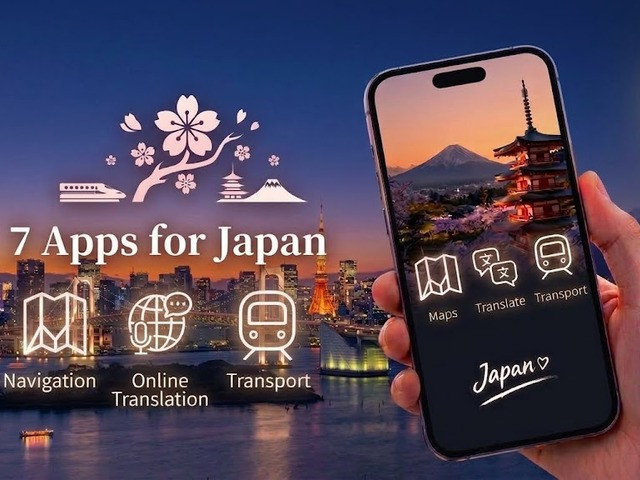
Navigating Japan is significantly easier when you have the right digital tools on hand. Essential apps like Google Maps (for precise platform numbers and station exits), Google Translate (for instant camera translation of izakaya menus and signs), and NAVITIME (for route planning and rail pass compatibility) are essential for a smooth trip. For a complete overview of the best navigation, payment, and translation tools, check out our guide to essential apps for traveling in Japan.
Stay Connected Anywhere
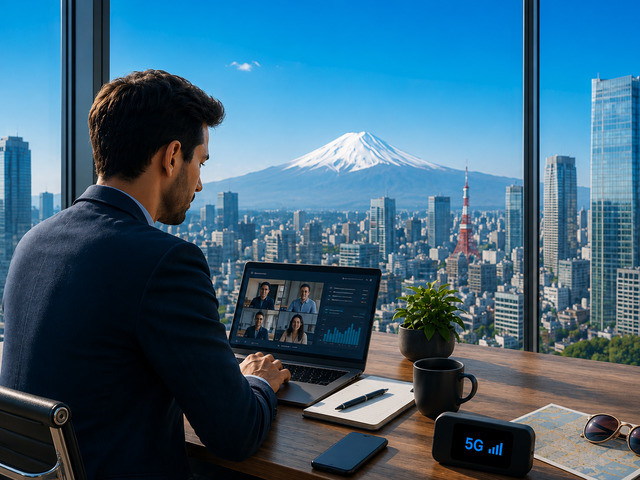
All of these apps rely heavily on a stable, real-time internet connection. While public Wi-Fi is available in major stations and convenience stores, it is often unreliable when you need navigation most, like stepping off a train or walking between destinations.
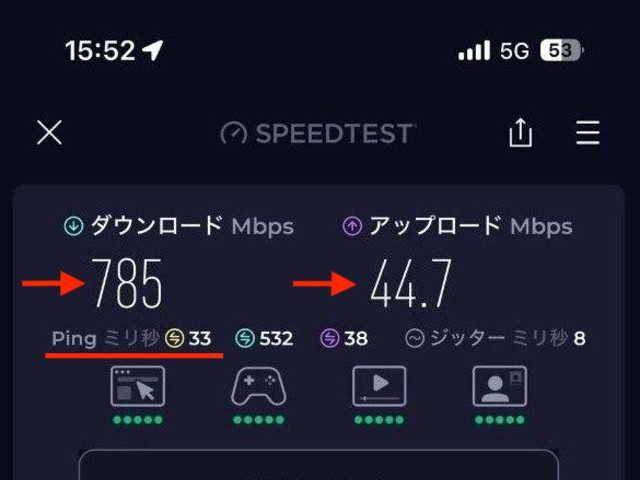
To ensure you stay connected without searching for Wi-Fi, setting up a travel eSIM before departure is the simplest way to secure reliable mobile internet the moment you arrive. Install your eSIM right at home, and as soon as you land, it activates and connects you directly to Japan's top-tier KDDI network for stable, high-speed 5G data. By sorting out your connectivity in advance with Awinst Connect, you can easily pick a plan that fits any budget, data volume, and travel style, ensuring a seamless experience from the very first second of your trip.

Install your eSIM at home, activate in Japan — View plans (Use code PROMO10)
FAQ
What Is the Number One Place to Visit in Japan?
Tokyo is the best starting point for most first-time visitors. It offers the widest range of activities and convenient connections for day trips. Kyoto is often considered the more beautiful city, while Tokyo is the more practical base for exploring different parts of Japan.
Is 7 Days Enough for Japan?
Yes, if you focus on one region. Seven days is enough to explore Tokyo and Kyoto properly, with a stop in between. It is not enough to explore Tokyo, Kyoto, Osaka, Hiroshima, and Mount Fuji without rushing through the trip.
Which Cities Should First-Time Visitors Prioritize?
Prioritize Tokyo and Kyoto, followed by Osaka. Treat Nara and Hakone as shorter stops or day trips rather than adding another hotel for each destination.
Should I Visit Tokyo or Kyoto First?
Starting in Tokyo makes sense if you arrive at Haneda or Narita, as many international travelers do. Ending in the Kansai region allows you to fly home from Osaka and avoid returning to Tokyo solely for your departure.
What Is the Best Season to Visit Japan?
October and November are excellent months overall, with generally mild conditions and autumn colors appearing from late October in many areas. Late March to early April brings cherry blossoms but also some of the year's largest crowds. Golden Week, from late April to early May, and the mid-August Obon period can also be particularly busy.
Do I Need a Japan Rail Pass?
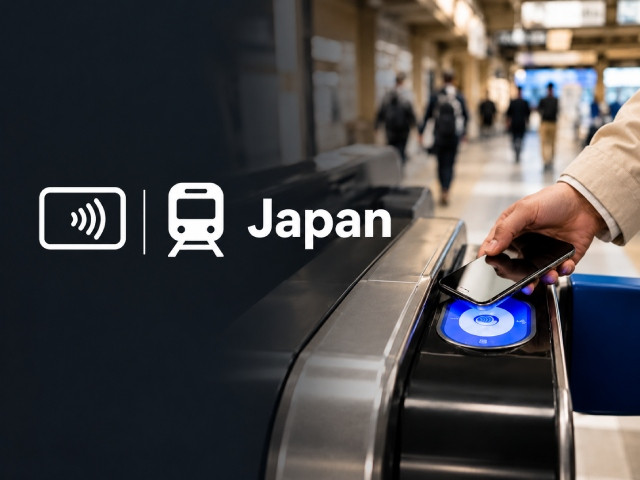
Usually, a nationwide pass makes the most sense for travelers covering substantial long-distance rail journeys. The 7-day pass costs ¥50,000, while a Tokyo–Kyoto return trip can cost considerably less. For local city transport, a rechargeable IC card such as Suica or PASMO is generally more useful.
Which Places in Japan Are Best for Families?
Tokyo, Osaka, and Nara are strong choices for families. Tokyo and Osaka offer major attractions and theme parks, including PokéPark Kanto and Universal Studios Japan. Nara's deer appeal to many children, while Hakone's ropeway and sightseeing boat make transport part of the adventure.
Can I Visit These Places in Japan Without Renting a Car?
Yes. All ten destinations can be reached by train, and buses connect Takayama with Shirakawa-go. A rental car can be useful for remote areas of Hokkaido, Kyushu, or the Japanese Alps, but it is not necessary for this itinerary.
Do I Need a Visa to Visit Japan in 2026?
Citizens of around 70 countries and territories, including the United States, United Kingdom, Canada, Australia, and most EU countries, can generally enter Japan without a visa for eligible short stays. Japan's planned JESTA travel authorization is not yet in force as of August 2026. The law passed in May 2026, and the system is scheduled to launch by March 2029 at the latest. Be cautious of websites charging for a JESTA authorization before the system officially launches, and verify entry requirements with the relevant Japanese authorities before departure.
Conclusion
The best places to visit in Japan are not a checklist to complete. A successful first trip comes from choosing a geographic cluster, allowing enough nights in each destination, and leaving room for an afternoon when you abandon the itinerary and follow a street simply because it looks interesting.
For most first-time visitors, that means Tokyo, Kyoto, and one or two additional destinations such as Osaka, Hakone, Nara, or Mount Fuji. Add Hiroshima, Kanazawa, Takayama, or Nikko when you have a full two weeks.
Book accommodation early for cherry blossom and autumn foliage season, arrange your mobile data before landing, and plan your train journeys around the places you genuinely want to experience. With a sensible route and enough time in each stop, Japan is remarkably easy to explore independently.