Traveling in Japan Without Suitcases: The Mistake 90% of Tourists Make and the Takkyubin Service Secret
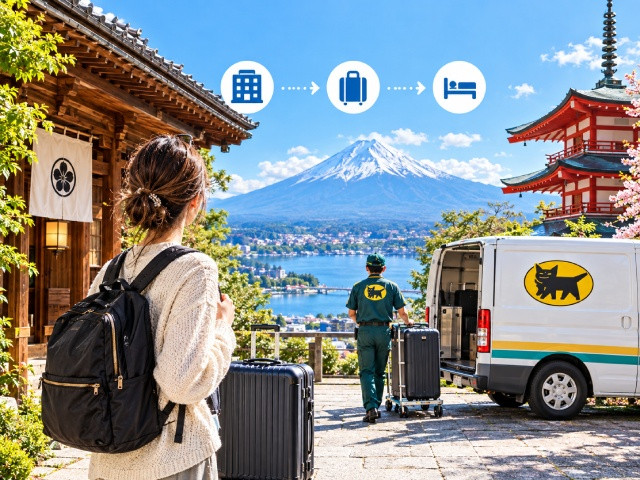
Japan has some of the best public transport in the world, and very little of it was designed with a large suitcase in mind. Most visitors discover this on day two, somewhere between a ticket gate and a station staircase with no lift in sight.
Takkyubin luggage delivery in Japan is how locals solved the problem decades ago. The big bag travels separately, and you move between cities with a small overnight bag.
The mistake is not packing too much. It is assuming your suitcase has to go everywhere you go. This guide follows one common route, Tokyo to Hakone to Kyoto to Osaka, to show how luggage forwarding works, what it costs, how long it takes, and when it is honestly not worth using.
Why Travelling Japan With a Large Suitcase Is Harder Than It Looks
Picture the morning you leave Tokyo. You check out at 10:00, roll a 25 kg suitcase to the nearest station, and join the tail end of rush hour. The ticket gates are narrow. The platform you need is two levels down, and the exit you came in by has stairs only. Nothing here is broken. The system simply expects passengers to carry very little.
Then comes the Shinkansen. On the Tokaido, Sanyo and Kyushu lines, travellers must reserve an oversized-baggage seat for bags whose length, width and height add up to more than 160 cm. Board without that reservation and you pay a ¥1,000 (about $6) fee and move your bag to the designated area. Overhead racks are sized for cabin bags, and many large checked suitcases, once you measure the wheels and handle, sit close to or over the 160 cm line.
The train is only half the problem. The other half is the hours in between — after you check out, before the next check-in, or during a stop on the way. Coin lockers are the usual answer, and they rarely work for big bags. The large and extra-large lockers at stations like Tokyo, Kyoto, and Shin-Osaka tend to fill up early in the morning. Even when you find one, it costs roughly ¥700 to ¥1,000 (about $4.50 to $6.50) per day, and you still have to come back for it.
What Is Takkyubin? The Delivery System Japan Built Its Travel Around
Takkyubin (宅急便) is Yamato Transport's door-to-door delivery service, trademarked as TA-Q-BIN. The generic Japanese term for parcel delivery is takuhaibin. Yamato's trademark is so familiar that it even appears in the original Japanese anime titled Kiki's Delivery Service. Most travellers use the word takkyubin for any luggage forwarding, including rival services from Sagawa Express and Japan Post.
Why Locals Rarely Carry Big Bags on Trains
Yamato launched Takkyubin in 1976, and it changed how the country moves things. Japan's rail network and its delivery network grew up side by side, and each quietly assumes the other exists. A Japanese family heading to a hot-spring town for the weekend will often send the heavy bag ahead and ride the train with a tote. Skiers ship their boards. Students ship their belongings home at the end of term. Carrying everything yourself is the unusual choice.
Meiwaku and Omotenashi: The Etiquette Behind It
Two ideas explain why this matters socially. Meiwaku means causing trouble or inconvenience for others, and a large suitcase in a crowded carriage does exactly that: it blocks the aisle and takes up someone else's space. Omotenashi is the Japanese idea of attentive, anticipatory hospitality. Forwarding your bag is a small way of travelling the way locals do, with consideration for the people around you.
The Precision That Makes People Trust It
Here is the part visitors find hard to believe until they see it. When a Japanese household books a Takkyubin delivery to a private address, it chooses a delivery window, either the morning or a two-hour slot in the afternoon or evening, and the driver arrives within that window. Suitcases are typically slipped into a protective cover before loading, so they arrive clean and unscuffed. The same network carries chilled food, with Cool TA-Q-BIN holding parcels at 0 to 10°C, or at -15°C or colder for frozen items.
Coverage is just as consistent. The service runs 365 days a year across the whole country, from major cities to the most remote villages. A suitcase sent from a Shinjuku skyscraper hotel is handled the same way as one heading to a family-run ryokan with tatami rooms in the mountains.
That track record is why the service works on trust. For Japanese customers, a lost suitcase would be genuinely extraordinary, the kind of thing people would talk about. Yamato still backs every parcel: the maximum liability for a TA-Q-BIN parcel is ¥300,000 (about $1,900). However, for most travellers, the guarantee is a formality. The real value is that the bag is simply there when you arrive.
Hotel-to-Hotel Takkyubin: How It Changes Your Route
Most travellers build their itinerary around their luggage without noticing. They choose hotels next to stations, avoid transfers, and hesitate to stay anywhere for more than one night. Hotel-to-hotel Takkyubin removes that constraint at the planning stage.
Back to our route. Instead of hauling everything into the mountains, you send your large suitcase from your Tokyo hotel straight to your Kyoto hotel.
You take a backpack to Hakone, ride the switchback railway and the ropeway, cross Lake Ashi by boat, and spend a night at a ryokan. Two days later you arrive in Kyoto, and your suitcase is waiting behind the front desk.
Forwarding also fixes the dead hours between check-out (usually around 10:00) and check-in (usually 15:00). You hand the bag over in the morning, spend the day sightseeing or travelling, and your suitcase is waiting at your next hotel the following morning, ready before you even think about unpacking.
Local express trains, cable cars, river boats and ferries all become easy when you are carrying one small bag.
Winter visitors get the biggest benefit. Yamato runs a dedicated Ski TA-Q-BIN service to resorts, so skis and snowboards can go directly from the airport or a city hotel to Niseko or Hakuba. Ski equipment cannot be shipped from convenience stores or some TA-Q-BIN agencies, so send it from a hotel desk or airport counter.
Leaving Your Bags at Arrivals
At Narita, Haneda and Kansai International, delivery counters sit in the arrivals hall, a few steps from customs. Yamato, JAL ABC and Sagawa all operate there. Look for the red Hands-Free Travel logo, a government-backed mark introduced so visitors can recognise certified counters with English support.
Same-day delivery. Same-day delivery is available only for short distances within the same city — for example, from a major station to nearby hotels, not between regions. Drop off your bag in the morning and spend the day sightseeing empty-handed; it arrives at your hotel by evening, around check-in time. Any luggage sent by 11 am from Tokyo Station can be received after 4 pm at a hotel in Tokyo's 23 wards.
Next-day delivery. Afternoon arrivals, or hotels in another region, usually mean next-day delivery. If you land in Tokyo but start your trip in Kyoto, plan one night away from your suitcase.
Sending bags back to the airport. This is the rule that catches people out. Send your luggage to the departure airport at least two days before your flight. Yamato's Airport TA-Q-BIN service collects it at the terminal counter on your departure day, and the departure date can be set up to 10 days after shipping. Airport deliveries carry a ¥660 (about $4) handling fee, and time-slot delivery is not available when sending to airports.
Takkyubin Luggage Delivery Cost in Japan
Price depends on three things: the origin region, the destination region, and the bag's size class. Add the length, width and height at the widest points, including wheels and handles. Yamato charges by whichever class is higher, dimensions or weight, so a 130 cm bag weighing 23 kg is billed as size 160.
| Route (Yamato, one suitcase) | Size 140 | Size 160 |
|---|---|---|
| Within Kanto (e.g. Tokyo to Hakone) | ¥2,090 ($13) | ¥3,650 ($23) |
| Kanto to Kansai (e.g. Tokyo to Kyoto or Osaka) | ¥2,780 ($18) | ¥3,160 ($20) |
| Delivery to an airport | Add ¥660 ($4) | Add ¥660 ($4) |
Source: Yamato's July 2026 rate table. USD figures are approximate, based on ¥156 to $1 in September 2026. Check Yamato's rate and delivery date page for your exact route, including longer ones such as Osaka to Fukuoka.
If you need same-day delivery between Tokyo and Kyoto, JR Central and JTB offer a premium alternative. Under LUGGAGE EXPRESS, bags handed in by 9:00 a.m. arrive by 9:00 p.m. on the Regular plan, at ¥13,200 (about $85) per item. For most trips, ordinary takkyubin at under ¥3,000 (about $19) is the better value.
Luggage Forwarding vs. Coin Lockers vs. Carrying It Yourself
| Comparison | Takkyubin forwarding | Coin locker | Carrying your bag |
|---|---|---|---|
| Typical cost | ¥2,200 to ¥2,700 ($14 to $17) per move | ¥700 to ¥1,000 ($4.50 to $6.50) per day | Free, but bags over 160 cm (up to 250 cm) need a reserved seat with an oversized-baggage area on the Tokaido, Sanyo and Kyushu Shinkansen; ¥1,000 (about $6.40) fee if you board without reservation |
| Fits a large suitcase | Yes, up to 200 cm / 30 kg | Often no | Yes |
| Availability | Hotel desks, konbini, airports | Large lockers fill early | Within the limits of available spaces |
| Timing | Next day on most routes | Immediate | Immediate |
| Best for | Changing cities, one-night stops | A few hours in one city | Same-day moves, rural stays |
Where to Send Your Bag
Hotel front desk. The simplest option. Staff fill in the waybill, often with English forms, and will look up the next hotel's address from your booking.
Convenience stores (konbini). 7-Eleven and FamilyMart accept outbound parcels, which suits Airbnb guests. These stores only handle shipments going out, not deliveries, and parcels sent from a convenience store must be size 160 or smaller.
Yamato sales offices. Look for the black cat logo on yellow and green. They accept drop-offs and can hold incoming parcels for collection.
Size and Weight Limits
The maximum is 200 cm in combined length, width and height, and 30 kg. A typical large checked suitcase falls into size 140 or 160; the 160 class allows up to 25 kg.
What You Cannot Send
Yamato's prohibited items list is long, but only a few entries matter to travellers. You cannot ship cash, credit or bank cards, passports, or parcels containing items worth more than ¥300,000 (about $1,900). That last rule rules out expensive jewellery or a high-end camera body.
Power banks and loose lithium batteries stay with you too. Lithium-ion batteries cannot be sent on their own, and devices containing them face restrictions on routes that use air freight.
Air routes add a less obvious catch. Parcels travelling between Okinawa and the rest of Japan, or between Hokkaido and western Japan, may fly, and air routes restrict aerosols, perfume, lighters and lithium batteries. Spray sunscreen in a suitcase bound for Okinawa can hold it back for a day or more while it is rerouted by sea.
Takkyubin Delivery Time: How Far Ahead to Send
Delivery takes at least one or two days, depending on the distance. Tokyo to Kyoto is usually next day. Tokyo to Fukuoka or Sapporo can take two days.
Hotels need a margin. Yamato's hotel guidance is to send at least two days before check-in, with some longer routes needing three. In practice, that means planning around your itinerary rather than your check-out:
- Tokyo (3 nights) → Hakone (1 night) → Kyoto: Send from Tokyo on your last morning there. The bag reaches Kyoto while you are in Hakone.
- Direct move, Tokyo → Kyoto: Send the morning of travel and expect it the next day. Keep one night's essentials with you.
- Hotel → airport: Send at least two days before your flight.
During Golden Week, Obon, and New Year, add an extra day.
When Forwarding Isn't the Right Call
Takkyubin is a tool, not a rule. Carrying your bag makes more sense for same-day moves you need to finish tonight, for a first night that falls before a forwarded bag can arrive, and for day trips where you return to the same hotel. It is also tricky for self-check-in apartments with no staffed reception, because someone has to sign for the bag. In that case, choose a Yamato sales office as the delivery point and collect it yourself.
Travellers with one carry-on-sized bag may not need it at all.
What to Keep in Your Day Pack
Think of the day pack as 24 hours of independence. It needs to cover everything from the moment you hand over your suitcase to the moment you collect it. Pack it around what cannot travel by Takkyubin anyway:
- Passport, cash and cards
- Phone, charger, power bank and any lithium-battery devices
- Prescription medication, with enough spare for a delayed day
- Anything irreplaceable or valuable
- Enough for one night away from your suitcase, including a ryokan stay where you'll be given a yukata
Tracking Your Bag on the Move
Every shipment comes with a waybill receipt carrying a tracking number. Photograph it the moment you receive it. You can follow the parcel through the English pages on Yamato's TA-Q-BIN site, and if a bag has not appeared on schedule, the English customer service team can be reached online. Yamato offers live chat alongside its English support, which is far easier than calling from a foreign number. Hotel staff can also check on your behalf.
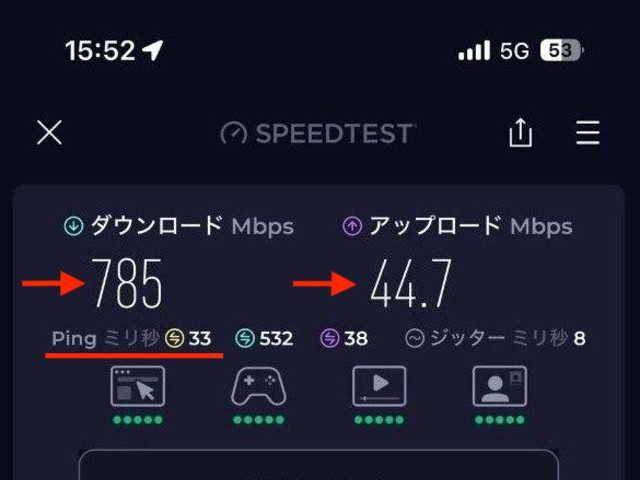
All of this assumes you have data when you need it: at the airport counter when you look up your hotel's address, on the train when you check tracking, and in Hakone when you confirm the bag has reached Kyoto. To ensure you stay connected without searching for Wi-Fi, setting up a travel eSIM before departure is the simplest way to secure reliable mobile internet the moment you arrive.
Install your eSIM at home, and as soon as you land, it activates and connects you directly to Japan's KDDI network for stable, high-speed 5G data. By sorting out your connectivity in advance with Awinst Connect, you can easily pick a plan that fits your budget, data volume, and travel style, ensuring a seamless experience from the very first second of your trip.
Install your eSIM at home, activate in Japan — View plans (Use code PROMO10)
FAQ
What Documents Do I Need to Send Luggage via Takkyubin?
Just the delivery address and your name. Airport shipments also ask for your flight date and number. Staff may ask to see your next hotel booking to copy the address correctly. No passport check is required.
How Do I Pay for the Shipment, in Cash or by Card?
Yamato counters and convenience stores accept credit cards, IC transport cards such as Suica, and cash. Some hotel front desks only take cash, so carry a few thousand yen as a backup.
Is My Luggage Insured During Transportation?
Yes. Standard TA-Q-BIN includes carrier liability of up to ¥300,000 (about $1,900) per parcel at no extra cost. Items worth more than that cannot be shipped, so keep valuables in your day pack.
How Can I Find Out Whether My Hotel Offers Takkyubin Luggage Forwarding?
Email the hotel before arrival and ask whether it can send and receive luggage. Most staffed hotels and ryokan do. Mention your arrival date so they know to hold the bag.
Do I Need to Be at the Hotel to Pick Up Takkyubin?
No. The front desk signs for your bag and holds it until you check in. Just make sure the waybill shows your name exactly as it appears on the booking.
How Many Days Will Takkyubin Hold My Luggage?
Hotel policies vary, so confirm with yours. At Yamato sales offices, parcels uncollected a week after delivery may be returned to the sender. Airport shipments can target a flight up to 10 days ahead.