Top 10 Things to Do in Osaka - Ranked So You Know Where to Start
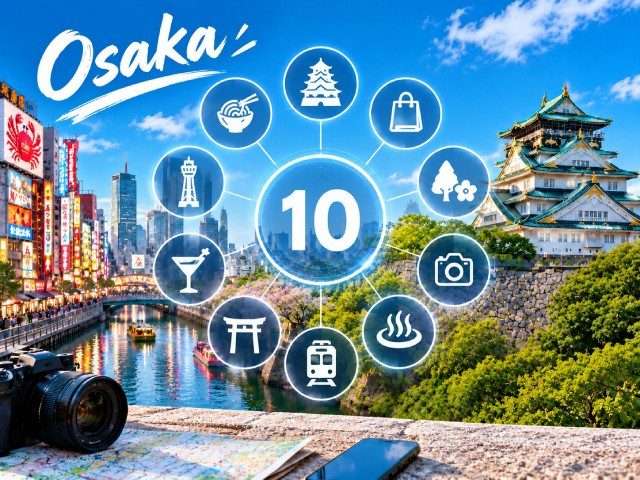
Osaka is best explored at your own pace: spend a morning at Osaka Castle, an evening wandering through Dotonbori, or a few hours exploring the food stalls at Kuromon Market. If you have only one or two days, choosing where to spend your time matters more than trying to see everything.
This guide brings together ten places worth considering on a first visit, from well-known landmarks to quieter cultural stops. Each entry includes how much time to allow, the approximate cost, the location, and whether booking ahead is worthwhile. Prices and booking information were checked against official sources in October 2026.
You Can't See Everything in Osaka, and You Don't Need To
Choose by what you care about. If you travel to eat and stay out late, build the trip around Dotonbori, Kuromon Market and Shinsekai. If you want history and green space, take Osaka Castle Park and Sumiyoshi Taisha. For city views, go up the Umeda Sky Building close to sunset. Families get the most from Kaiyukan or a full day at Universal Studios Japan. And if you would rather wander than queue, Shinsaibashi, Amerikamura and Namba Yasaka Shrine fill an afternoon on foot for almost nothing.
Four or five of these make a full day. Use the table to pick yours.
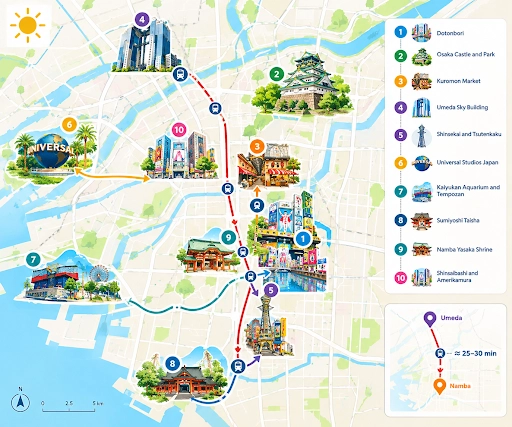
The 10 Best Things to Do in Osaka
| # | Activity | Area | Time needed | Cost | Book ahead? |
|---|---|---|---|---|---|
| 1 | Osaka Castle and park | Osaka Castle | 2–3 h | Park: free; tower: ¥1,200 ($8) | Optional web ticket |
| 2 | Kuromon Market | Nippombashi | 1–1.5 h | Pay per dish; varies | No |
| 3 | Umeda Sky Building | Umeda | 1–1.5 h | ¥2,000 ($13) | Optional |
| 4 | Shinsekai and Tsutenkaku | Shinsekai | 1.5–2 h | Free to walk; tower: ¥1,500 ($10) | Yes, for the tower |
| 5 | Universal Studios Japan | Bay Area | Full day | From about ¥8,400 ($56) | Yes |
| 6 | Dotonbori at night | Namba | 1–2 h | Free to walk ($0) | No |
| 7 | Kaiyukan and Tempozan | Bay Area | 2–3 h | About ¥2,700–3,500 ($18–23) | Yes, timed entry |
| 8 | Sumiyoshi Taisha | South Osaka | 1 h | Free ($0) | No |
| 9 | Namba Yasaka Shrine | Namba | 20–30 min | Free ($0) | No |
| 10 | Shinsaibashi and Amerikamura | Shinsaibashi | 1.5–2 h | Free to walk ($0) | No |
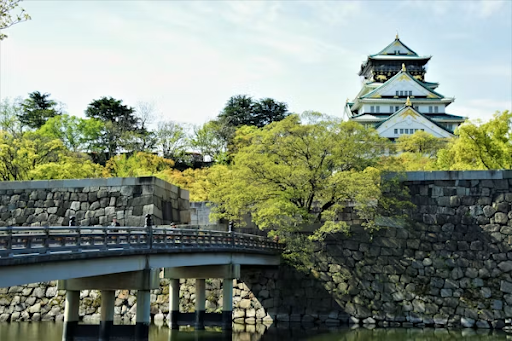
1. Visit Osaka Castle and Its Park
The park is free: moats, huge stone walls, Tokugawa-era gates, and lawns where the gravel crunches under every step. The main tower is a paid museum, and it helps to know what it is. The tower is a 1931 concrete reconstruction with a lift, not a preserved wooden interior. Inside are armour, folding screens, and displays on Toyotomi Hideyoshi, with an observation deck on the 8th floor.
Tower admission is ¥1,200 for adults and ¥600 for high school and university students with ID. Children 15 and under enter free with proof of age. Hours are 9:00–18:00, last entry 17:30.
Best for: History fans, walkers and families.
Skip if: You only want photos; the best views of the tower are from outside.
Time: 2–3 hours.
Station: Tanimachi 4-chome or Morinomiya, then 15–20 minutes on foot to the tower.
Booking: Web tickets are optional and save the ticket-window queue.
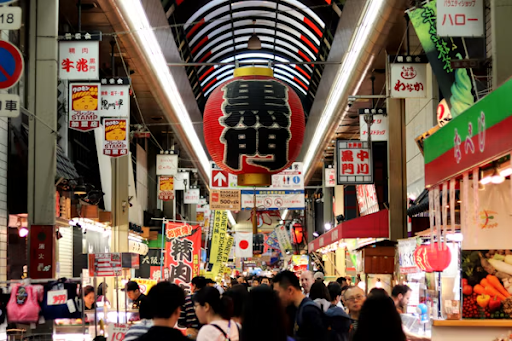
2. Eat Your Way Around Kuromon Market
Kuromon is a covered arcade about 580 meters long with roughly 150 shops. Vendors call out over sizzling scallop shells while locals shop for dinner. Try grilled scallops, tuna sashimi, tamagoyaki, and fugu in winter. Check prices before ordering: wagyu skewers, crab, and premium fruit can cost more than a restaurant meal.
The market is busiest from late morning to early afternoon. Each shop sets its own hours, and many close around 17:00–18:00.
Eat where you bought the food rather than walking with it, and ask before photographing a stall or its staff.
Best for: Seafood lovers.
Skip if: You are on a tight budget.
Time: 1–1.5 hours.
Station: Nippombashi, 2–3 minutes on foot.
Booking: None.
3. See the City From the Umeda Sky Building
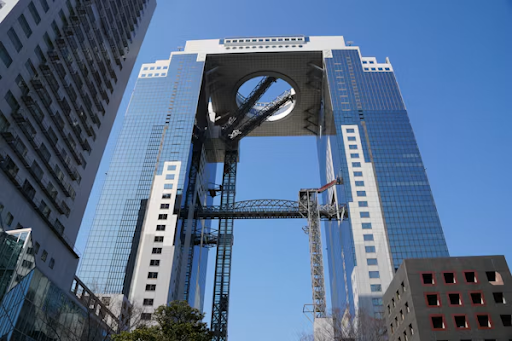
Two towers joined 173 meters up by an open-air ring. Ride a glass escalator across the gap, then step onto a rooftop where the wind pulls at your jacket, and Osaka stretches to the horizon in every direction.
Daytime gives the clearest long views. Sunset is the better ticket because you get daylight, dusk and the city lights in one visit, but it is the busiest hour. Admission is ¥2,000 ($13) for adults and ¥500 ($3) for ages 4–12. Hours are 9:30–22:30, last entry 22:00. The rooftop can close in heavy rain.
Best for: Couples and photographers.
Skip if: You dislike heights or already plan to visit Tsutenkaku.
Time: 1–1.5 hours.
Station: Osaka or Umeda, 7–10 minutes on foot.
Booking: Optional. Some event evenings need a special ticket.
4. Explore Shinsekai and Tsutenkaku
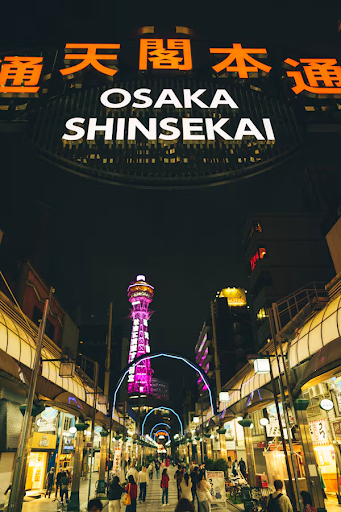
Shinsekai is a few blocks of retro signage, oversized lanterns, and the smell of frying kushikatsu, all pointing at the steel Tsutenkaku tower. Walking the streets is free and takes under an hour.
Kushikatsu is skewered meat and vegetables, breaded and deep-fried. Where sauce is shared, dip once only. Use the cabbage to scoop more.
The tower's observatory costs ¥1,500 ($10) for adults and ¥800 ($5) for ages 5–14, open 9:00–21:45 with last entry at 21:15. Tickets carry a timed entry and evening slots can sell out.
Best for: Fans of old-school Japan and fried food.
Time: 1.5–2 hours.
Station: Ebisucho (3 minutes) or Dobutsuen-mae.
Booking: Reserve a tower slot online.
5. Spend a Full Day at Universal Studios Japan
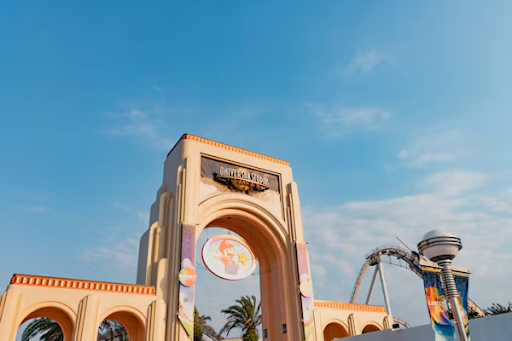
USJ is a whole day, not a stop. Plan nothing else beyond dinner.
Three things get confused. The Studio Pass is your admission, priced by date from about ¥8,400 ($56) for adults. The Express Pass is a separate purchase that shortens queues on named rides and does not include admission. Super Nintendo World may also require a free Area Timed Entry Ticket, issued through the official app on the day once you are inside. No ticket guarantees every area or ride, so check USJ's official site before you buy.
Expect the smell of caramel popcorn and long lines by 10:00.
Best for: Families, Nintendo and Harry Potter fans.
Skip if: You have only one day in Osaka.
Station: Universal City, about 15 minutes from Osaka Station.
Booking: Required; buy dated tickets early.
6. Walk Dotonbori After Dark
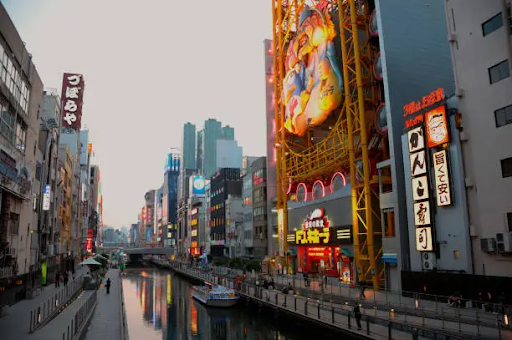
Dotonbori is a canal lined with stacked neon signs, and it feels best at night, when the signs reflect in the black water and the air smells of grilling takoyaki batter. From about 18:00, the street is shoulder-to-shoulder. That crowd is part of the experience, so don't bother dodging it.
Walking costs nothing. Follow the Tombori River Walk along the water, cross Ebisubashi Bridge for the Glico running man sign, then loop back along the main street. Restaurants, river cruises, and the Ferris wheel are paid extras.
Best for: Night owls and food lovers.
Skip if: Dense crowds drain you; come at 10:00 instead.
Time: 1–2 hours.
Station: Namba (Midosuji Line), 5 minutes on foot.
Booking: None. Well-known restaurants queue at 19:00, so eat early or late.
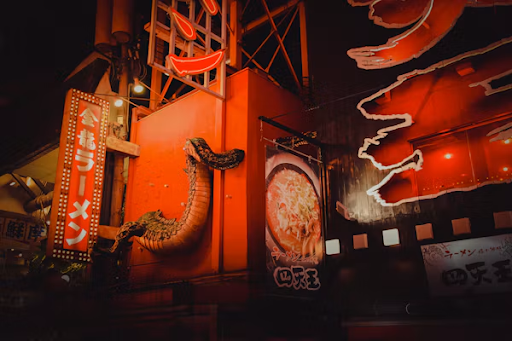
7. Visit Kaiyukan Aquarium and Tempozan
Kaiyukan spirals down around one enormous Pacific tank where whale sharks pass at eye level in dim blue light. It is indoors, so it is the standard rainy-day answer, and children stay interested for the full route.
Most visitors take about two hours. Admission varies by date, roughly ¥2,700–3,500 ($18–23) for adults, and entry is via timed e-ticket. Book ahead for weekends and wet days. The Tempozan Ferris wheel, harbour cruise and Legoland Discovery Center next door are separate tickets.
Best for: Families and bad weather.
Skip if: Your time is short; the bay is 30 minutes from Namba.
Time: 2–3 hours.
Station: Osakako (Chuo Line), 5 minutes on foot.
Booking: Yes.
8. Slow Down at Sumiyoshi Taisha
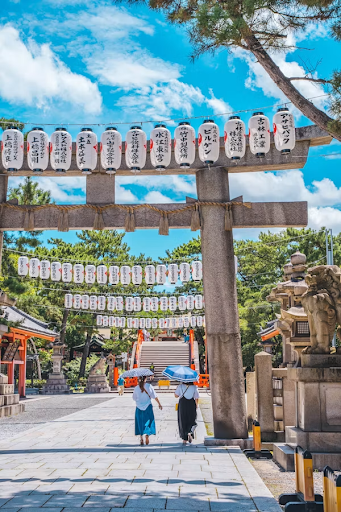
Sumiyoshi Taisha is the head of more than 2,000 Sumiyoshi shrines across Japan. Its four main halls are National Treasures, built in a style that predates mainland Asian influence. You enter over a steep vermilion bridge, with cedar and incense in the air.
Bow once at the torii, rinse your hands at the basin, and keep your voice low. The grounds are open to all; the inner sanctuaries are not, and prayer in progress should not be photographed. Gates open at 6:30 from October to March and 6:00 otherwise. Outer gates close at 16:00.
Best for: Anyone wanting a calmer, older Osaka.
Time: 1 hour.
Station: Sumiyoshitaisha, 10 minutes from Namba by Nankai local train.
Cost: Free.
Booking: None.
9. Stop at Namba Yasaka Shrine
A 12-metre lion's head with an open mouth, housing a stage, sits in a quiet block south of Namba. The mouth is said to swallow bad luck. You hear coins drop in the offering box before you see the lion.
This is a short stop of 20–30 minutes. Gates are open 6:00–17:00, and the shrine office runs 9:00–16:50. Take photos from the courtyard, stay off the stage, and let worshippers go first.
Best for: A quick, free detour between Kuromon and Shinsaibashi.
Time: 20–30 minutes.
Station: Namba, 6 minutes on foot.
Booking: None.
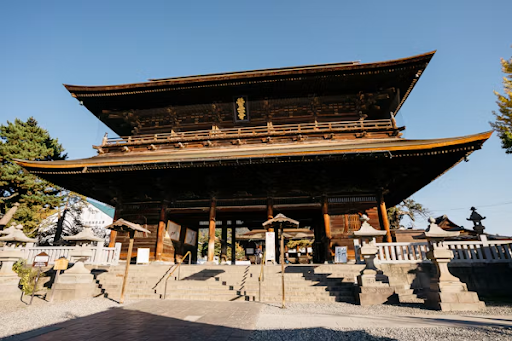
10. Wander Shinsaibashi and Amerikamura
Shinsaibashi-suji is a long covered shopping arcade. Amerikamura, two blocks west, is its scruffier sibling: vintage shops, sneaker stores, record racks and coffee stands around Triangle Park, with bass leaking from doorways.
Dotonbori is for eating and neon. This area is for daylight browsing and watching what Osaka's twenty-somethings wear. Shops set their own hours and most open around 11:00.
Best for: Shoppers and cafe people.
Skip if: Shopping bores you.
Time: 1.5–2 hours.
Station: Shinsaibashi.
Cost: Free to walk.
Booking: None.
The Most Expensive Mistake: Mixing Up Umeda and Namba
Osaka has two centres. Umeda (Osaka Station) is in the north. Namba is in the south. They are not neighbouring blocks. The subway ride is about 9 minutes, but both stations are mazes, so allow 25–30 minutes door to door. Cross town three times and you have lost two hours.
Before fixing your day, open Google Maps, enter your real start and end points, and read the full walking-plus-train time. Then group the day around one hub. Umeda Sky Building belongs to an Umeda day. Dotonbori, Kuromon, Namba Yasaka and Shinsaibashi belong to a Namba day.
A few smaller mistakes cost almost as much. Some station exits are a 10-minute walk from the platform. Tickets for USJ, Kaiyukan and Tsutenkaku left "for later" may be gone. Markets, shrines and shops do not share one timetable. And Kyoto and Nara are day trips, not Osaka activities; they need a day of their own.
Staying Connected in Osaka: Why Mobile Data From Minute One Saves the Day
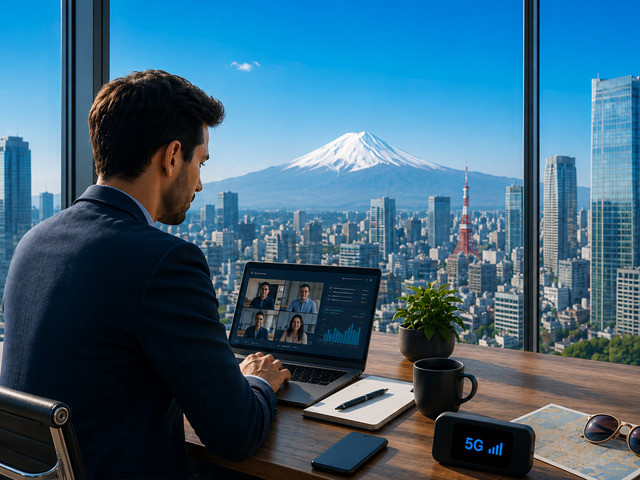
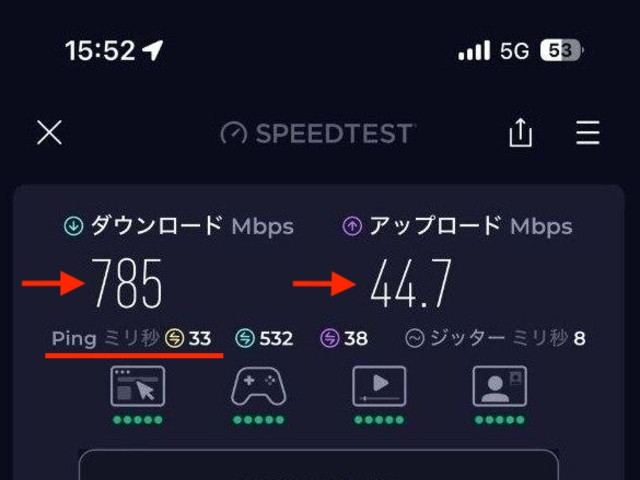
Most of the problems above are solved with a phone backed by a reliable mobile internet connection. Live maps get you through complex station exits and between Umeda and Namba. USJ and Kaiyukan tickets are QR codes, and USJ's area entry tickets are issued in its app inside the park. A camera translator reads menus and price tags at Kuromon, and you can check today's opening hours right while standing at the door.
To navigate Osaka's massive transit hubs and access your digital tickets without hunting for station Wi-Fi, setting up an eSIM before departure is the simplest way to secure reliable mobile data. Install your eSIM right at home, and as soon as you land, it activates and connects you directly to Japan's top-tier KDDI network for stable, high-speed 5G data. By sorting out your connectivity in advance with Awinst Connect, you can easily pick a plan that fits any budget, data volume, and travel style, ensuring a seamless experience from the very first second of your trip.

Install your eSIM at home, activate in Japan — View plans (Use code PROMO10)
What to Do in Osaka in One Day
One route, all on the south side, with one subway transfer:
- 9:00–11:15: Osaka Castle park and tower.
- 11:15–11:45: Subway from Tanimachi 4-chome to Nippombashi.
- 11:45–13:00: Lunch at Kuromon Market.
- 13:15–13:45: Namba Yasaka Shrine, 15 minutes on foot.
- 14:15–16:30: Amerikamura and Shinsaibashi, with a coffee break.
- 17:30 onwards: Dotonbori at dusk, then dinner.
That is five of the ten, with about 40 minutes of transit in total. Do not add USJ to this day.
Umeda and Namba are separate city centres in Osaka. Allow around 25–30 minutes for the journey between them, including walking through the stations.
What to Do in Osaka in Two Days
Option A: City Only
Day one as above. Day two: Sumiyoshi Taisha at 9:00, the Hankai tram to Ebisucho for kushikatsu and Tsutenkaku in Shinsekai, then the Midosuji Line north for sunset at the Umeda Sky Building and dinner in Umeda. In rain, swap the shrine for Kaiyukan.
Option B: With Universal Studios Japan
Day one as above. Day two: be at the gates before opening, stay until evening, and eat at Universal CityWalk. Keep the rest of the day empty.
Which Kind of Osaka Trip Fits You
- Free or low budget: Dotonbori, the castle park, Sumiyoshi Taisha, Namba Yasaka, Shinsaibashi and Amerikamura.
- With children: Kaiyukan, USJ and the castle park.
- In the rain: Kaiyukan, Kuromon and Shinsaibashi-suji, which are all under cover.
- After dark: Dotonbori, Shinsekai and the Umeda Sky Building, open until 22:30.
FAQ
Is one day really enough to see Osaka?
One day covers the core: the castle, Kuromon, Shinsaibashi and Dotonbori at night.
Is Universal Studios Japan worth spending a whole day of sightseeing?
Yes, if rides, Nintendo or Harry Potter are a reason you came and you have two days or more. With one day in Osaka, the city itself is the better use of it.
What should you do in Osaka if it rains?
Go to Kaiyukan with a timed e-ticket, eat under the roof at Kuromon Market, and shop along the covered Shinsaibashi-suji arcade. Save the Umeda Sky rooftop and the castle park for a dry day.
What's the single biggest mistake first-time visitors make in Osaka?
Trying to fit Umeda and Namba into the same day. They aren't quick stops—they are major hubs packed with attractions. With 25–30 minutes of transit time between them plus navigating complex stations, you'll burn out fast. Dedicate a separate day to each.
Which Osaka attractions sell out if you don't book ahead?
Universal Studios Japan tickets and Express Passes, Kaiyukan's timed entry on weekends and rainy days, and evening slots at Tsutenkaku. Osaka Castle and the Umeda Sky Building rarely sell out but can have queues.
Is Osaka worth visiting for sightseeing or just food?
Osaka combines major historical landmarks, lively shopping districts, temples, modern architecture, and attractions such as Osaka Castle and Kaiyukan Aquarium. Its food scene is a major part of the experience, but it is not the only reason to visit. Plan time for sightseeing during the day, explore neighborhoods at your own pace, and finish with local specialties such as takoyaki, okonomiyaki, or kushikatsu in the evening.
Conclusion
With one day, stay south – Osaka Castle in the morning, Kuromon for lunch, Shinsaibashi in the afternoon and Dotonbori after dark. With two, add either Sumiyoshi Taisha, Shinsekai and the Umeda Sky Building, or a full day at Universal Studios Japan. Pick four or five top things to do in Osaka, book timed tickets, and save the rest for next time.